July is hard on more than the cattle. It is hard on the scale too, and most people do not think about it until a number looks wrong.
We work on livestock and truck scales every week, and this time of year we tend to see the same handful of issues come up. None of them are complicated. Most are cheap to fix if you catch them early and expensive if you do not.
What Summer Heat Actually
Does to Your Scale
Heat and humidity can shift a reading
Load cells are built to handle a wide range of temperatures, but big daily swings, hot afternoons followed by cooler nights, can still cause small drift over time. Add in mud, moisture, and heavy use during a busy stretch, and a scale that was dead on in the spring can be a little off by mid-summer.
The tricky part is that a scale can look completely normal and still be reading wrong. There is no warning light. The only way to know for sure is to check it against a known weight, which is what calibration does. It is not about fixing something broken. It is about confirming the number on the screen actually matches what is standing on the platform.
If you cannot remember the last time your scale was calibrated, that is usually a sign it is due.
Shrink adds up faster in July
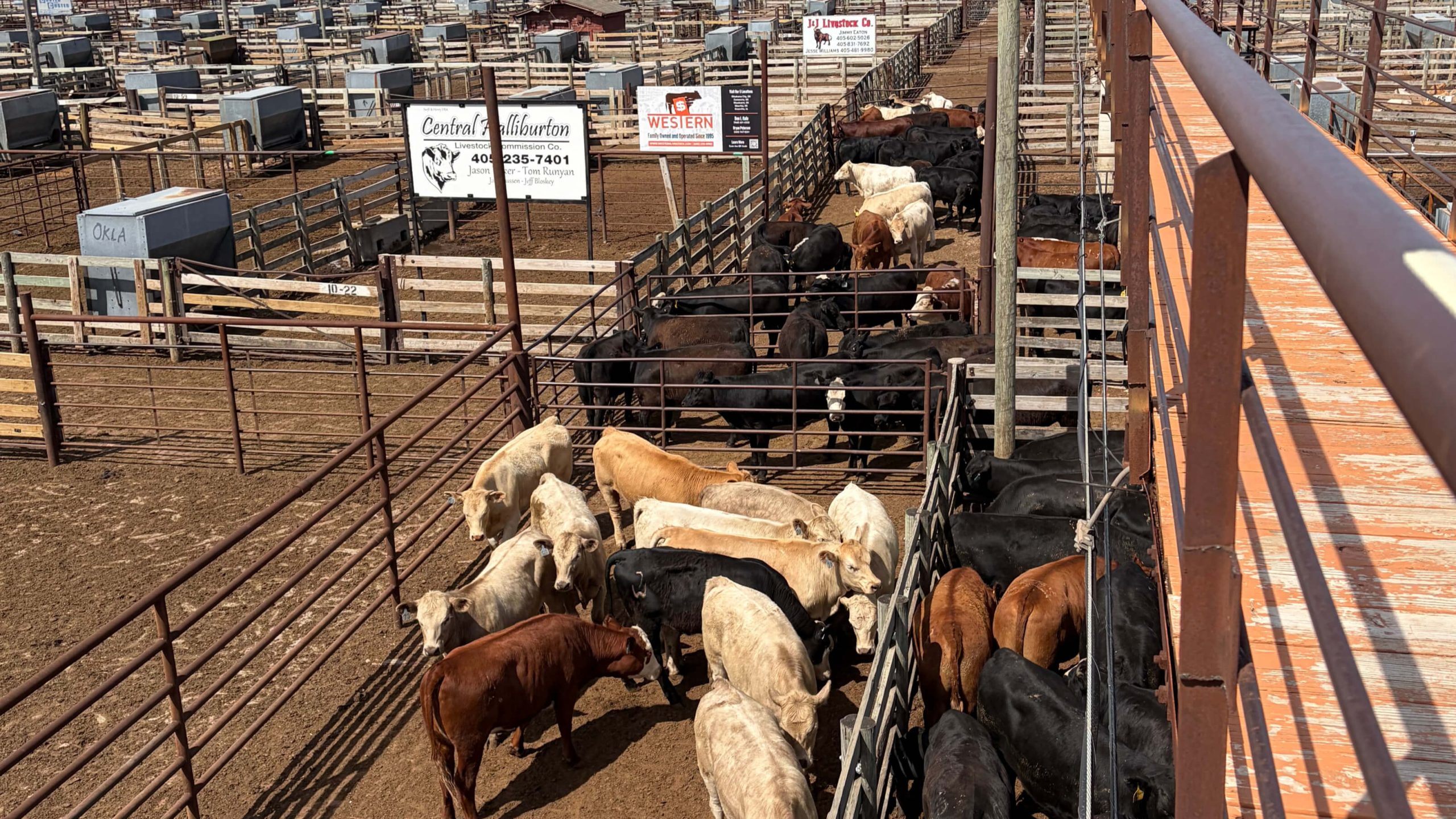
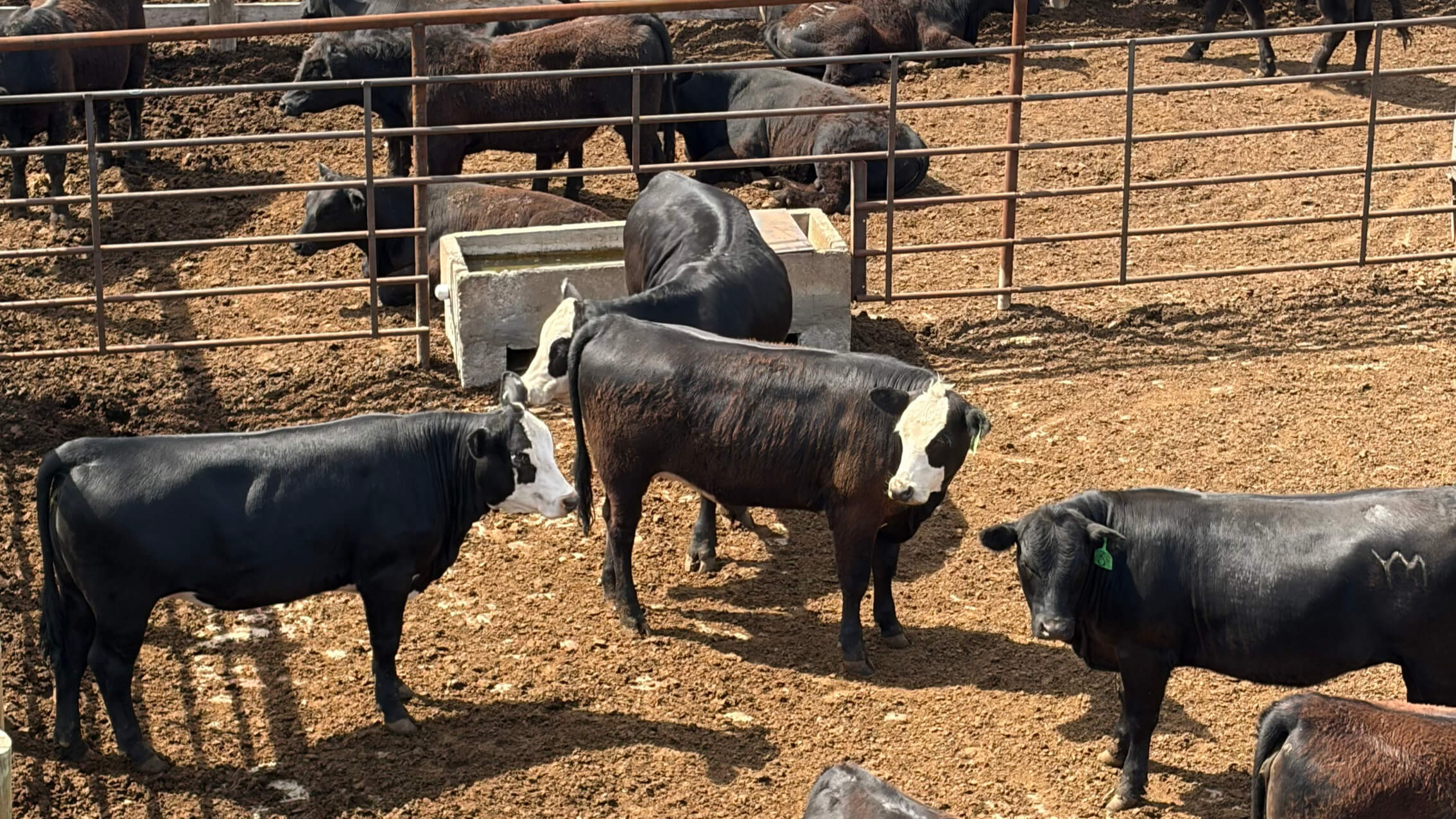
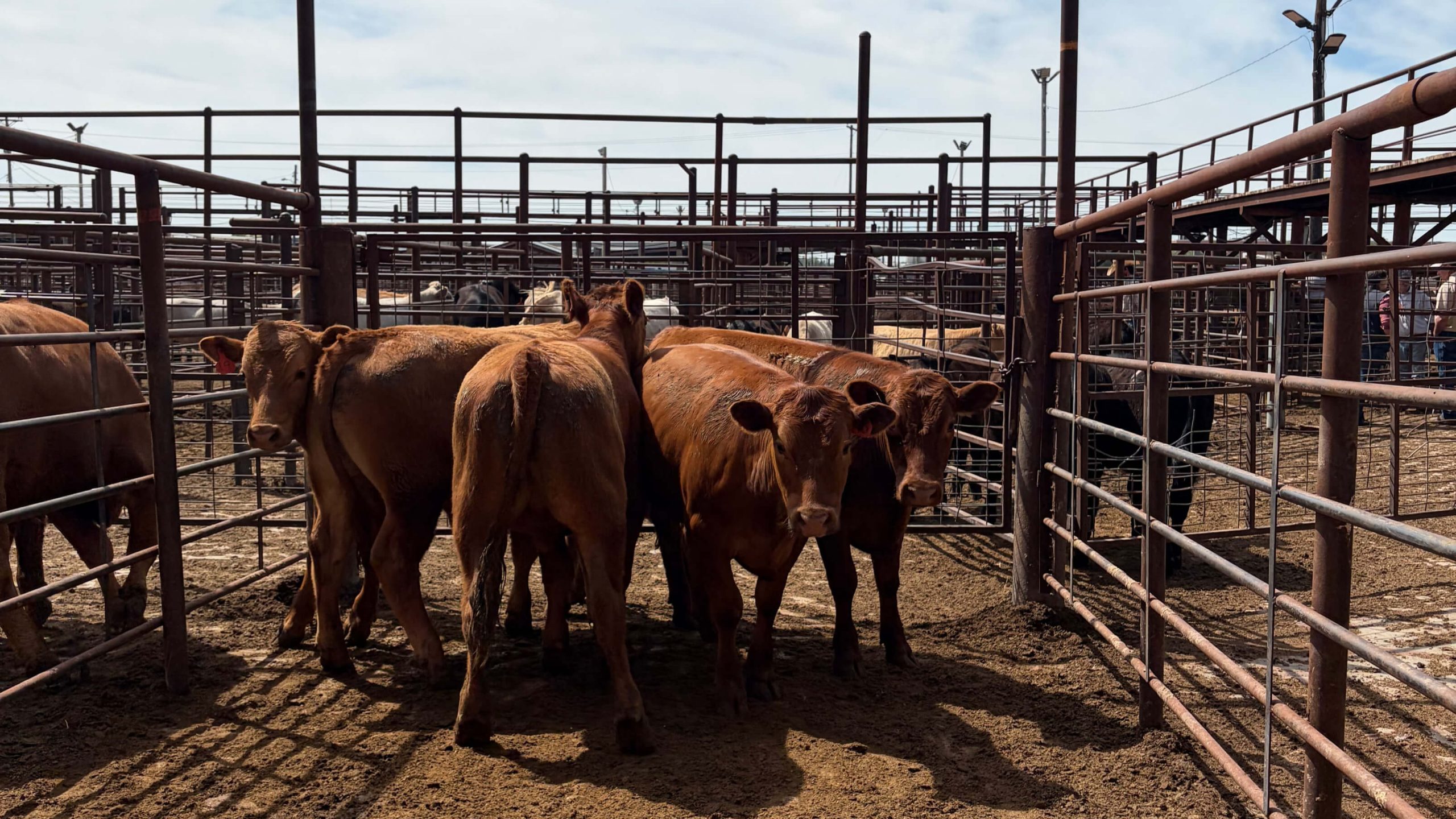
Anyone who has hauled cattle in the summer already knows this, but it is worth saying plainly. Cattle lose weight in transport from heat stress, time off feed and water, and general stress of the trip, and it is more noticeable in July than almost any other month.
That loss is called shrink, and it is normal. What is not normal is not knowing how much of it you are dealing with. Weighing before you load and again at the other end is the only way to see the real number instead of guessing. Guessing is how you end up short on a contract or giving away pounds you did not need to give away.
Why a pit works against you in the summer
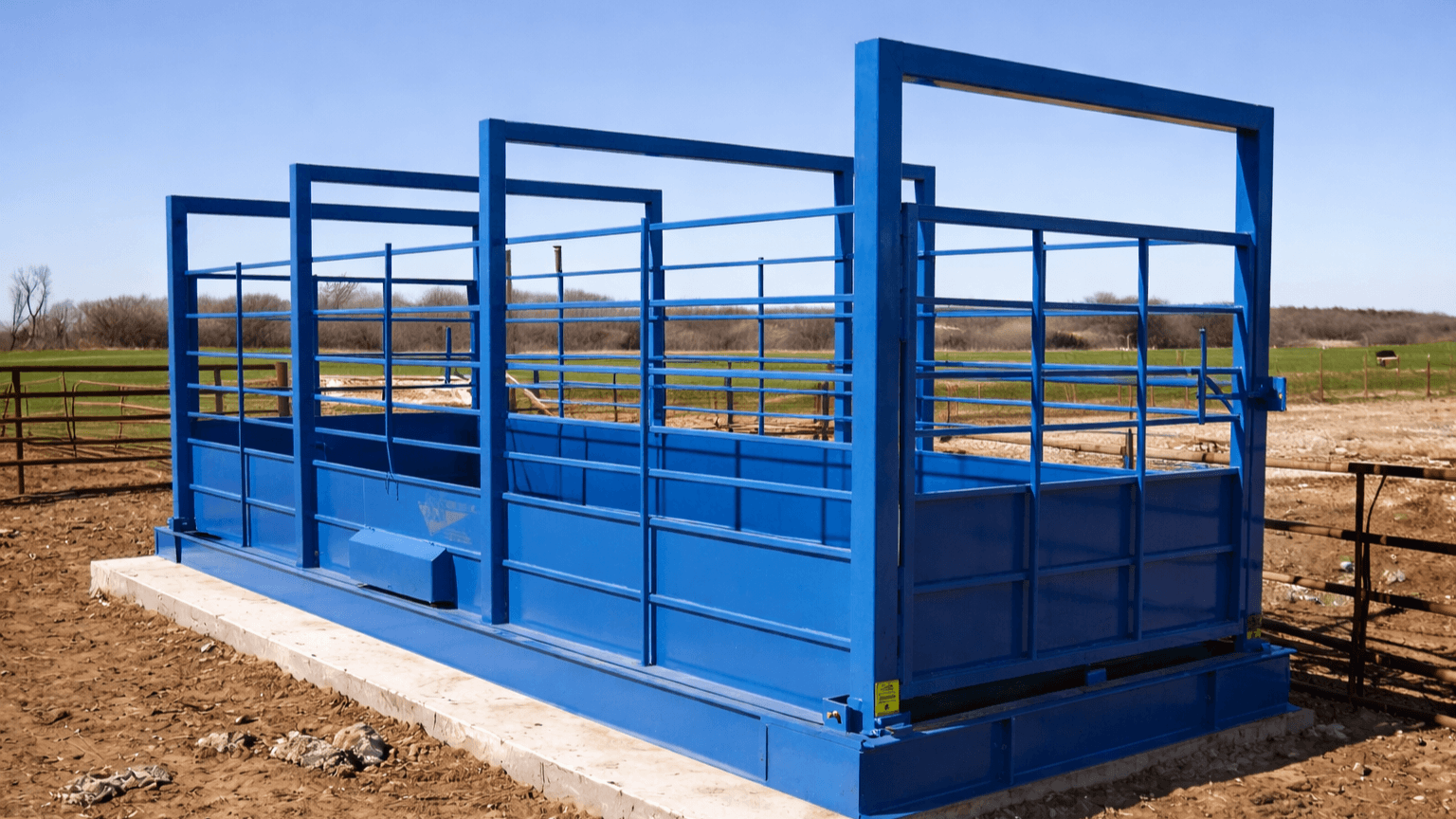
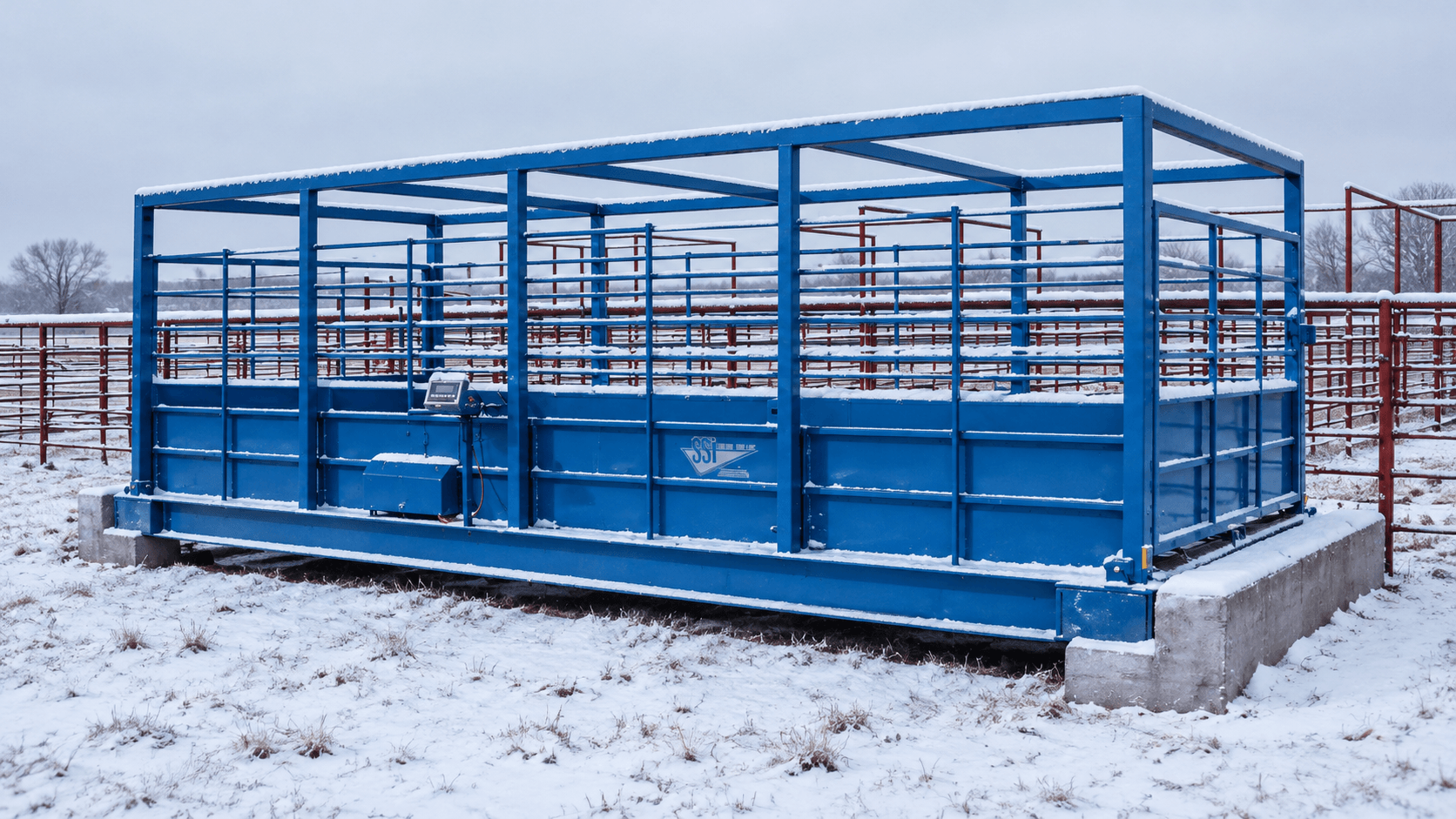
Every scale we build is above ground and pitless. That is a deliberate choice, and summer is when it pays off most. A pit scale has somewhere for water to collect, mud to settle, and debris to sit against the structure. None of that helps accuracy, and all of it adds maintenance.
A pitless design means there is nothing underground to trap moisture or clean out. It also installs faster and costs less up front, since there is no excavation involved.
What to do about it
Most problems start small. A reading that drifts a little. Numbers that jump around before settling. A scale that takes longer than it used to before giving a final weight. Caught early, these are usually a simple fix, sometimes a single part like a load cell, cable, or indicator, not a full replacement.
If you have not had your scale checked in a while, now is a good time, before the next weigh day catches you off guard. A quick call is usually enough for us to tell you what to look at.
Livestock Scale Calibration Oklahoma County, Livestock Scale Calibration Tulsa County, Livestock Scale Calibration Cleveland County, Livestock Scale Calibration Comanche County, Livestock Scale Calibration Payne County, Livestock Scale Calibration Woodward County, Livestock Scale Calibration Ellis County, Livestock Scales Calibration Dewey County, Livestock Scales Calibration Roger Mills County, Livestock Scales Calibration Custer County, Livestock Scales Calibration Beckham County, Livestock Scales Calibration Washita County, Livestock Scales Calibration Caddo County, Livestock Scales Calibration Grady County, Livestock Scales Calibration Canadian County, Livestock Scales Calibration Garfield County, Livestock Scales Calibration Kay County, Livestock Scales Calibration Logan County, Livestock Scales Calibration Lincoln County, Livestock Scales Calibration Pottawatomie County
#BalanceandScaleCalibrationService #CalibrateYourScaleforAccuracy #ScaleCalibrationGuide #WeightandScaleCalibrationServices #NTEPScaleCalibration #SoonerScale #BalanceandScaleCalibrationServiceOklahoma #CalibrateYourScaleforAccuracyOklahoma #ScaleCalibrationGuideOklahoma #WeightandScaleCalibrationServicesOklahoma #NTEPScaleCalibrationOklahoma #SoonerScale
Ready to Talk Through What You Need?
Whether you know what you want or are not sure where to start, contact us. We will ask the right questions, give you honest guidance, and put a straight number in front of you. No pressure and no upsell on equipment you do not need.
Call us (405) 236-3566