Signs Your Scale Needs Repair,
Not Replacement
Fall run starts in a matter of weeks, and once it does, there is not much room to figure out what is wrong with a scale that is acting up. Here is a field guide to the signs we see most, and what they usually mean.
The reading drifts over time
If the same animal or truck weighs a little different each time it crosses the platform, with no real change in what is being weighed, that is drift. It is usually gradual, which is part of why it gets missed. Weather, moisture, and heavy use all contribute, and it is exactly what calibration is meant to catch.
This is rarely a sign the whole scale is bad. More often it means a load cell or the indicator needs attention.
Numbers jump around before settling
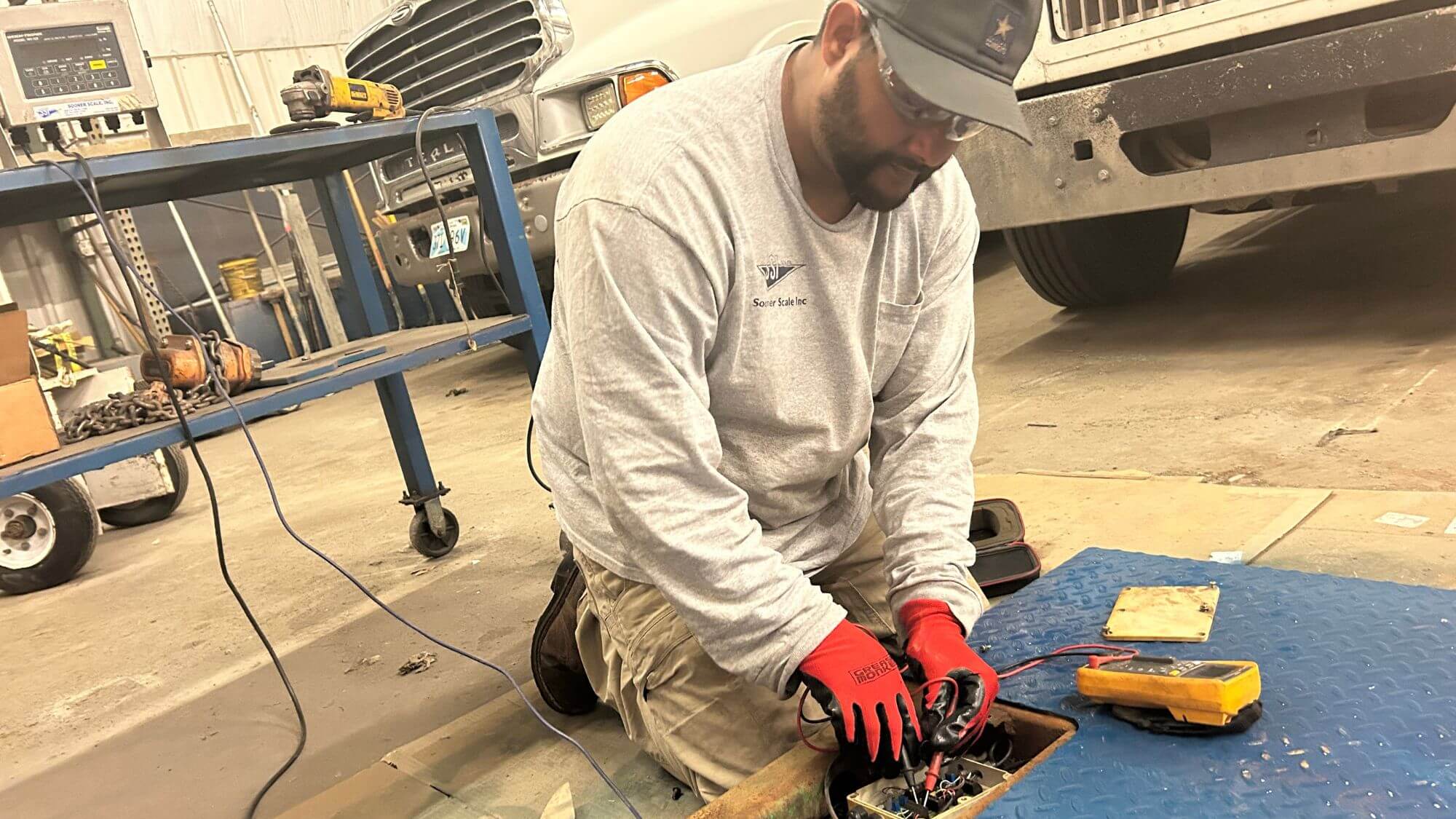
A scale that bounces between a few different figures before landing on a final weight is telling you something is inconsistent in how the load is being read. Sometimes this is a loose or corroded connection. Sometimes it is a load cell that is starting to fail. Either way, it is worth having someone look before it gets worse.
The scale takes too long to settle
If you find yourself waiting longer than you used to for a stable reading, that is often related to the same underlying issues as jumpy numbers, just showing up as a delay instead of instability. It is also one of the more frustrating problems on a busy weigh day, since it slows down everything behind it.
It usually comes down to one part
A load cell, a cable, or an indicator account for most of the scale problems we see in the field. Replacing an entire scale over one bad component is rarely necessary and rarely the most cost-effective path. The right first step is figuring out which part is actually causing the issue.
When replacement does make sense
Occasionally a scale really has reached the end of its useful life, especially older units with outdated components or structural wear that goes beyond a single part. That is a smaller share of the calls we get than people expect, but it does happen, and an honest look at the equipment is the only way to know for sure.
What to do before fall run starts
If you have noticed any of these signs, do not wait until the scale is in daily use to deal with it. A quick call now is usually enough to figure out what is going on and whether it is a simple fix or something bigger.
Have questions? We’re here to help.
#LivestockScaleRepairOklahoma
#CattleScaleRepairOklahoma
#LivestockScaleRepairOklahomaCity
#CattleScaleRepairOklahomaCity
#LivestockScaleRepairStillwater
#CattleScaleRepairStillwater
#LivestockScaleRepairWoodward
#CattleScaleRepairWoodward
#LivestockScaleRepairGuymon
#CattleScaleRepairGuymon
#LivestockScaleRepairEnid
#CattleScaleRepairEnid
#LivestockScaleRepairElReno
#CattleScaleRepairElReno
#LivestockScaleRepairWeatherford
#CattleScaleRepairWeatherford
#LivestockScaleRepairClinton
#CattleScaleRepairClinton
#LivestockScaleRepairLawton
#CattleScaleRepairLawton
#LivestockScaleRepairAltus
#CattleScaleRepairAltus
#LivestockScaleRepairElkCity
#CattleScaleRepairElkCity
#LivestockScaleRepairAda
#CattleScaleRepairAda
#LivestockScaleRepairArdmore
#CattleScaleRepairArdmore
#LivestockScaleRepairMcAlester
#CattleScaleRepairMcAlester
Ready to Talk Through What You Need?
Whether you know what you want or are not sure where to start, contact us. We will ask the right questions, give you honest guidance, and put a straight number in front of you. No pressure and no upsell on equipment you do not need.
Call us (405) 236-3566