
Preconditioning Calves:
Why One Weigh Point Is Not Enough
Preconditioning programs, sometimes called VAC-45 or similar names depending on the protocol, exist to prove something to a buyer: that these calves have been vaccinated, weaned, and managed well before they ever load on a truck. The paperwork behind that claim starts with a scale, and it usually needs more than one trip across it.
Buyers are paying for proof, not a promise
A preconditioned calf commands a premium because a buyer believes the health and gain claims behind it. That belief has to be backed by records, and weight is one of the clearest records there is. A weaning weight, a weight at the end of the preconditioning period, and sometimes a shipping weight all work together to show a calf actually gained the way the program says it did.
If any of those numbers come from a scale that has not been checked in a while, the whole record is only as good as that one weak link. A buyer paying a premium is trusting that the paperwork reflects reality, and the scale is where that reality gets written down.
More weigh points, more chances for a scale to be off
Weighing once is simple. Weighing three or four times over a preconditioning period, sometimes weeks apart, means a scale needs to hold steady the whole way through, not just be right on one particular day. That is a different kind of demand than a single weigh day, and it is worth confirming the scale is holding up to it before the program even starts.
A combo scale fits this kind of operation well
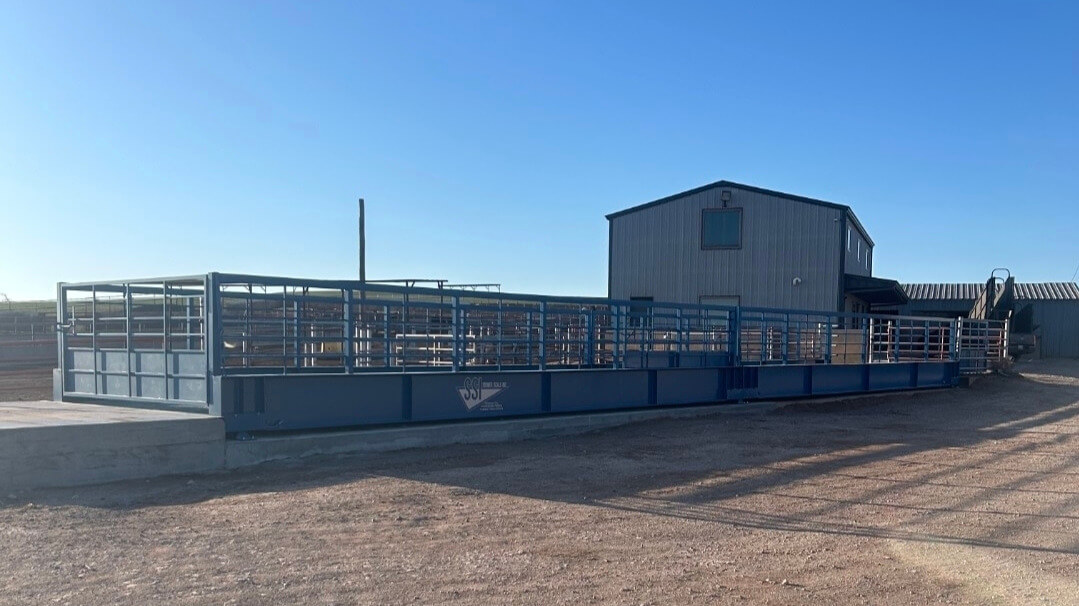
Operations running preconditioning programs are often weighing both livestock and the trucks hauling feed or hauling calves out at the end of the program. A combo truck and livestock scale handles both without needing two separate systems, which also means one calibration schedule instead of two, and one less thing to track through a program that already involves a lot of record keeping.
Before the next group goes through the program
If you are putting together a preconditioned group this fall, it is worth checking the scale before the first weigh-in, not partway through. A record with a gap or an inconsistency in it is a harder sell to a buyer than one that holds together from start to finish.
Have questions? We’re here to help.
Preconditioning Calves Cherry County, Nebraska
Preconditioning Calves Holt County, Nebraska
Preconditioning Calves Lavaca County, Texas
Preconditioning Calves Edwards County, Texas
Preconditioning Calves Crockett County, Texas
Preconditioning Calves Culberson County, Texas
Preconditioning Calves Sutton County, Texas
Preconditioning Calves Lincoln County, Nebraska
Preconditioning Calves Custer County, Nebraska
Preconditioning Calves Bennett County, South Dakota
Preconditioning Calves Meade County, South Dakota
Preconditioning Calves Tripp County, South Dakota
Preconditioning Calves Fall River County, South Dakota
Preconditioning Calves Haakon County, South Dakota
Preconditioning Calves Beaver County, Oklahoma
Preconditioning Calves Texas County, Oklahoma
Weighing Preconditioned Calves Woodward County, Oklahoma
Weighing Preconditioned Calves Ellis County, Oklahoma
Weighing Preconditioned Calves Osage County, Oklahoma
Weighing Preconditioned Calves Dewey County, Oklahoma


Ready to Talk Through What You Need?
Whether you know what you want or are not sure where to start, contact us. We will ask the right questions, give you honest guidance, and put a straight number in front of you. No pressure and no upsell on equipment you do not need.
Call us (405) 236-3566