Why Scale Accuracy Matters Most
During County Fair Season
August is county fair season across Oklahoma, and for a few weeks a year, scale accuracy stops being something that happens quietly in the background and becomes something everyone in the barn is paying attention to.
Weigh-in day is public in a way most weigh days are not
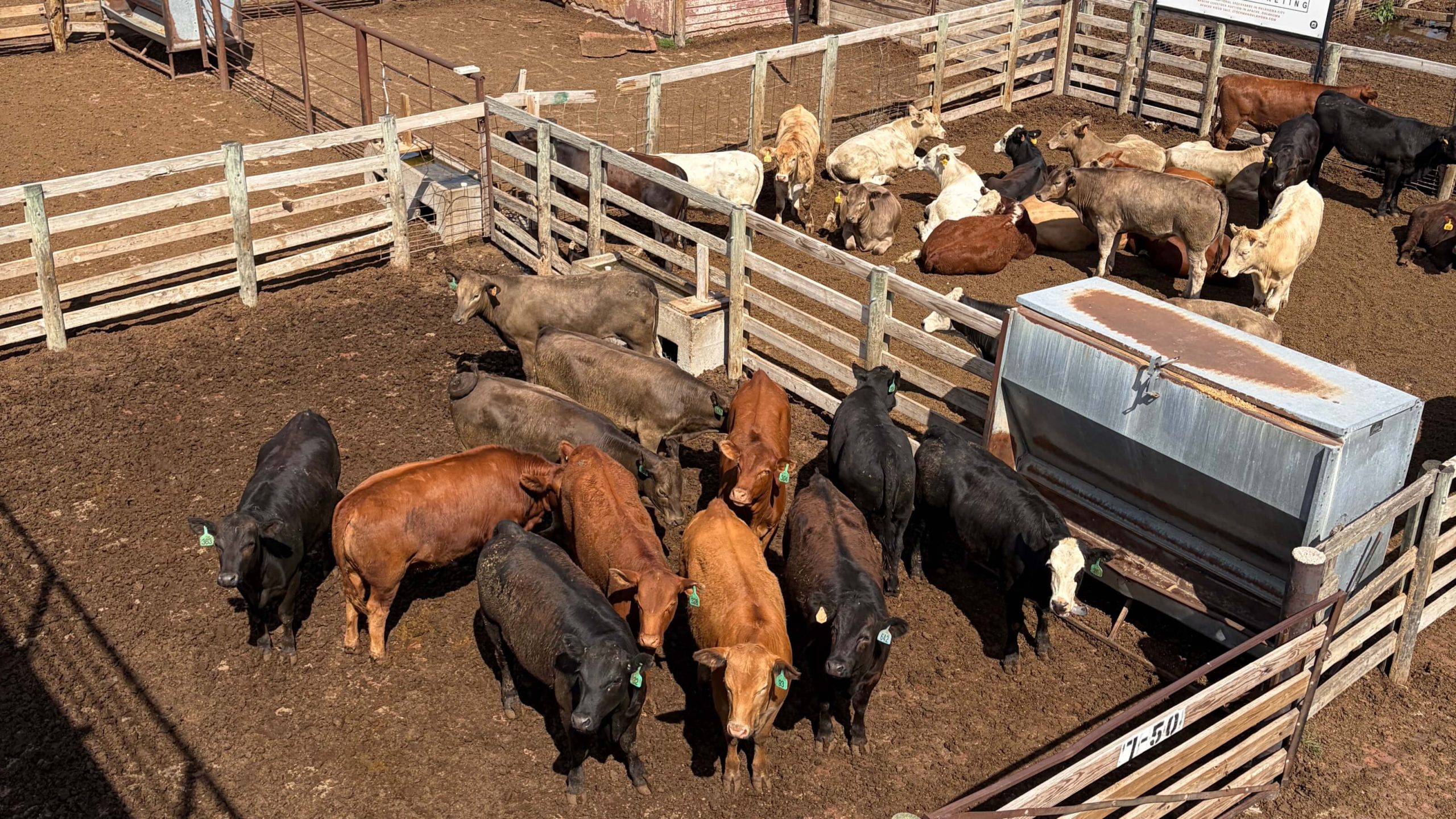
Most of the year, a scale reading only matters to the person standing next to it. At a fair weigh-in, it matters to a judge, a show official, other exhibitors, and a kid who has spent months getting an animal ready. Weight class placement, showmanship divisions, and market sale eligibility often come down to a single number read off a scale in front of a crowd.
That is a different kind of pressure than a normal weigh day, and it is exactly why fair boards and extension offices take scale certification seriously. A scale used for an official weigh-in needs to be accurate, and it needs to be trusted by everyone watching, not just the person operating it.
NTEP certification is what makes a number official
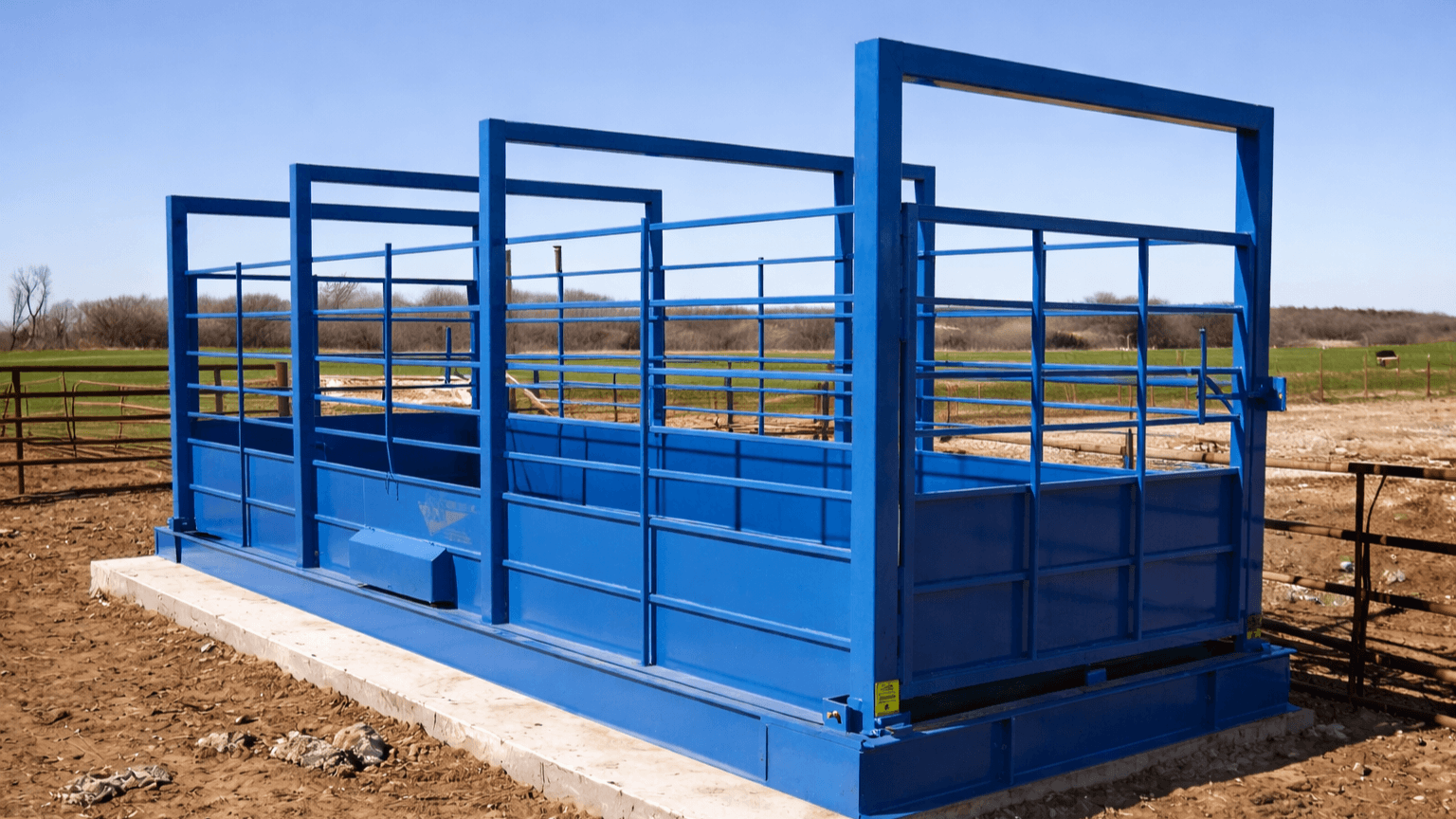
Any scale used where weight determines an outcome, whether that is a sale price or a fair placing, needs to be legal for trade. That means NTEP certification, which confirms the scale has been tested and meets national accuracy and design standards. Every scale we manufacture, from a single-animal livestock scale up to a full combo unit, carries that certification.
For fair boards and 4-H or FFA programs setting up weigh stations, that certification is not paperwork. It is what lets a number stand without argument.
What this means if you are showing this year
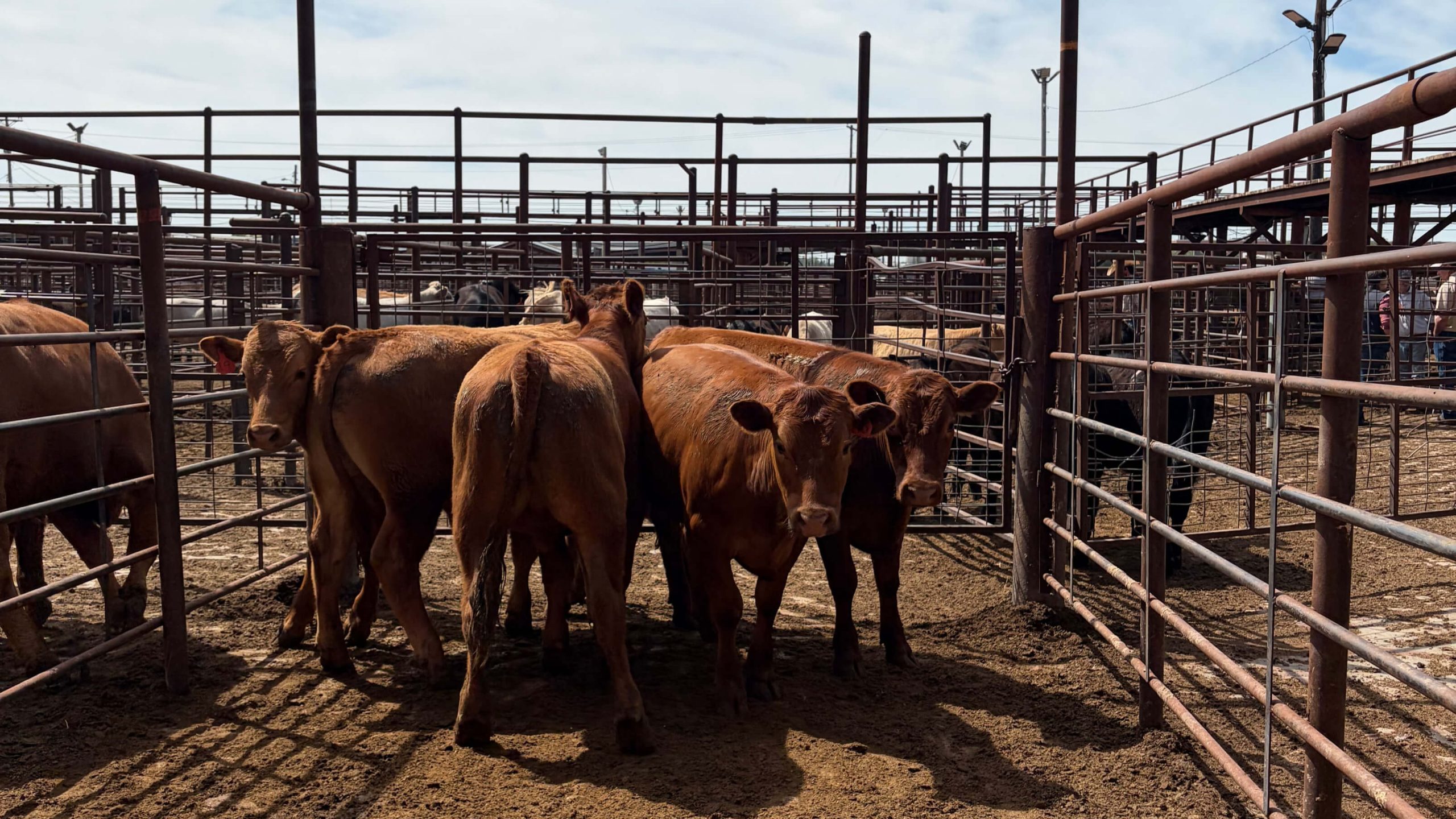
If you are hauling an animal to a county fair this month, it is worth knowing your own scale is reading true before you ever get to the fairgrounds. A home scale that is drifting even a little can mean a surprise once the animal hits the certified scale at check-in, and that surprise usually is not a good one.
Checking your scale now, before the show season gets busy, is a small step that avoids a bad one later.
If you help run a weigh station
We also work with fair boards, extension offices, and sale barns to make sure the scales used for official weigh-ins are certified, calibrated, and ready before the gates open. If you are setting up for a show this season and want a second set of eyes on your equipment, we are glad to help.
Livestock Scale for 4-H Weigh-In Before Weaning Season Oklahoma County, Livestock Scale for 4-H Weigh-In Before Weaning Season Tulsa County, Livestock Scale for 4-H Weigh-In Before Weaning Season Cleveland County, Livestock Scale for 4-H Weigh-In Before Weaning Season Comanche County, Livestock Scale for 4-H Weigh-In Before Weaning Season Payne County, Livestock Scale for 4-H Weigh-In Before Weaning Season Woodward County, Livestock Scales for 4-H Weigh-In Before Weaning Season Ellis County, Livestock Scales for 4-H Weigh-In Before Weaning Season Dewey County, Livestock Scales for 4-H Weigh-In Before Weaning Season Roger Mills County, Livestock Scales for 4-H Weigh-In Before Weaning Season Custer County, Beckham County, Livestock Scales for 4-H Weigh-In Before Weaning Season Washita County, Livestock Scales for 4-H Weigh-In Before Weaning Season Caddo County, Livestock Scales for 4-H Weigh-In Before Weaning Season Grady County, Livestock Scales for 4-H Weigh-In Before Weaning Season Canadian County, Livestock Scales for 4-H Weigh-In Before Weaning Season Garfield County, Livestock Scales for 4-H Weigh-In Before Weaning Season Kay County, Livestock Scales for 4-H Weigh-In Before Weaning Season Logan County, Livestock Scales for 4-H Weigh-In Before Weaning Season Lincoln County, Livestock Scales for 4-H Weigh-In Before Weaning Season Pottawatomie County
Ready to Talk Through What You Need?
Whether you know what you want or are not sure where to start, contact us. We will ask the right questions, give you honest guidance, and put a straight number in front of you. No pressure and no upsell on equipment you do not need.
Call us (405) 236-3566